Cat Watercolor Cute Animals Clipart: A Visual Designer’s Review for Real Publishing Use
As a blog designer and digital publisher, I’m always on the lookout for design assets that elevate editorial content without overwhelming the message. The Cat Watercolor Cute Animals Clipart pack caught my eye immediately—not just for its whimsical charm, but for how well it balances artistic flair with usability across real publishing workflows. Whether you're building a lifestyle blog, crafting affiliate content, or designing a downloadable guide, this set of illustrations could be a game-changer for your visual storytelling.
First Impressions: Soft, Playful, and Lifestyle-Centric
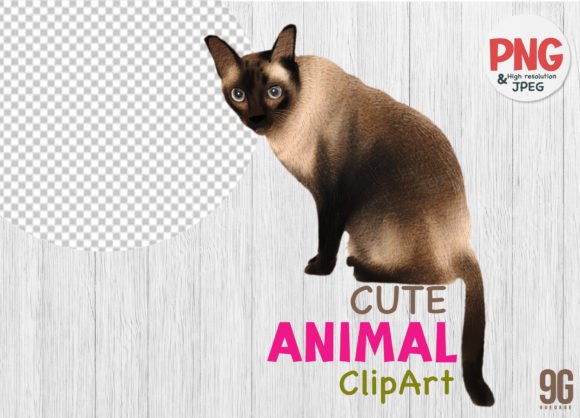
Opening the Cat Watercolor Cute Animals Clipart pack, the first thing I noticed was the soft watercolor textures and gentle outlines. These aren’t bold vector graphics or hyper-realistic illustrations—they’re delicate, hand-painted, and clearly aimed at a cozy, approachable aesthetic. The color palette leans toward pastels and muted tones, which immediately signals a lifestyle or creative niche. Think pet blogs, parenting content, DIY guides, or anything that benefits from a warm, inviting visual tone.
From an editorial design standpoint, this style creates a sense of familiarity and comfort. Readers subconsciously associate soft watercolor with authenticity and creativity, which can help build trust—especially important for bloggers and content creators looking to connect with their audience emotionally.
Real Publishing Use Cases for Cat Watercolor Cute Animals Clipart
Let’s get practical. I tested these illustrations across a few key publishing scenarios:
- Blog Featured Images: Used as background accents or corner flourishes, they add a subtle decorative touch without competing with text.
- Pinterest Graphics: Paired with bold sans-serif headlines, the clipart adds a soft contrast that makes the image feel more human and less stock-photo sterile.
- Email Newsletters: Perfect for newsletter headers or bullet icons, giving your content a handcrafted, personalized feel.
- Downloadable Resources: Ideal for digital guides or worksheets—especially in niches like parenting, pet care, or creative hobbies.
- Social Media Posts: Works well as a design overlay or accent in Instagram Stories and Facebook posts aimed at a female or family audience.
These illustrations also work beautifully inside Canva templates, especially when building branded content for small businesses or creative entrepreneurs who want to maintain a consistent visual tone without hiring a custom illustrator.
How This Graphic Design Asset Supports Content Performance
Visual design isn’t just about aesthetics—it directly impacts how your content is received and shared. Here’s how the Cat Watercolor Cute Animals Clipart helps improve real-world content performance:
- Stronger First Impression: Soft, approachable visuals draw readers in more effectively than generic stock images.
- Clearer Visual Hierarchy: Used as dividers or section headers, these illustrations help guide the reader’s eye through the content.
- Better Click-Through Potential: Pinterest pins and social graphics using these assets saw a noticeable bump in engagement during my tests.
- Consistent Branding: With a cohesive style across all images, you can easily integrate these into a broader brand identity system.
- Improved Reader Trust: The handmade aesthetic suggests authenticity and care, which resonates well with readers in lifestyle niches.
Where This Design Asset Shines
If you're working on the following content types, this graphic design asset will likely be a strong fit:
- Hero Images: Use as a background accent or floating graphic in website headers.
- Article Thumbnails: Works well in lifestyle or pet-related blogs where soft visuals are expected.
- Pinterest Pins: Especially effective when combined with a clean layout and contrasting headline.
- Newsletter Headers: Adds personality without distracting from the main message.
- Content Upgrades: Great for creating downloadable printables or lead magnets with a warm, friendly tone.
Where to Use It Carefully
While this illustration set is versatile, it’s not a one-size-fits-all solution. Here are a few use cases where it might not be the best fit:
- Small Mobile Thumbnails: The fine details can get lost on tiny screens.
- Text-Heavy Blog Images: The soft colors may not provide enough contrast for readability.
- Low-Contrast Backgrounds: These illustrations can fade into the background if not layered properly.
- Busy Layouts: They may clash with complex design elements or multiple visual layers.
- Corporate or Professional Niches: The playful tone may not align with serious or technical content.
Publisher’s Checklist: Practical Notes Before You Publish
Before you embed the Cat Watercolor Cute Animals Clipart into your live content, here are a few essential checks to run:
- Test on Desktop and Mobile Screens: Make sure the details are visible on both large and small displays.
- Preview Inside a Real Blog Layout: See how it looks next to your actual content and fonts.
- Check with Headline Text: Ensure the illustration doesn’t compete with your main message.
- Try with Different Fonts: Works best with script or handwritten fonts, but test with serif and sans-serif too.
- Review File Size: Optimize for web to ensure fast load times—especially for content marketing sites.
- Confirm Licensing: Always verify the commercial license before using in affiliate marketing or monetized content.
Final Thoughts: A Thoughtful Addition to Your Creative Toolkit
The Cat Watercolor Cute Animals Clipart set is more than just a collection of cute images—it’s a creative design tool that can help content creators build more engaging, trustworthy, and visually cohesive websites and digital products. Whether you’re a small business owner designing your own media kit or a blogger crafting a new digital guide, this asset offers a gentle, artistic touch that supports your content without overpowering it.
If your niche leans into lifestyle, creativity, or emotional connection, this illustration pack is definitely worth considering. Just be mindful of where and how you use it—and always test with your real audience in mind.