Watercolor Deer Antlers: A Seamless Pattern Worth Stitching Into
First Impressions: Soft, Woodland-Inspired Elegance
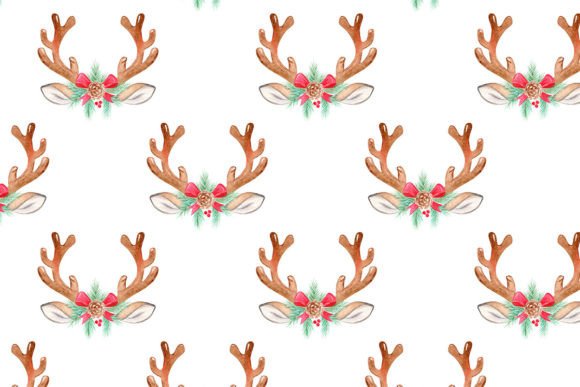
The Watercolor Deer Antlers Seamless Pattern immediately draws you in with its soft, flowing lines and muted color palette. It feels like a gentle nod to nature, evoking a woodland aesthetic that’s both calming and slightly whimsical. The design’s watercolor texture gives it a painterly feel, which makes it stand out from more rigid or cartoonish embroidery motifs. As a designer, I see this pattern fitting naturally into projects that lean into organic, earthy themes—think baby items, nursery decor, or boutique apparel.
Real-World Use: From Sweatshirts to Nursery Pillows
I recently tested this design on a custom embroidered tote bag and a set of linen pillow covers for a client’s small home goods line. The seamless layout made it easy to repeat across larger surfaces without awkward breaks or mismatched edges. On the tote, the antlers wrapped subtly around the strap area, adding a soft visual anchor without overwhelming the canvas. On the pillow, it created a gentle focal point that blended well with neutral bedding.
For machine embroidery on cotton and linen blends, the pattern stitched cleanly with minimal thread breaks. The satin and fill stitches held up well, and the overall density felt balanced—not too heavy to pucker the fabric, and not too light to lose definition.
Customer Appeal: Timeless and Versatile
One of the biggest pluses of the Watercolor Deer Antlers Seamless Pattern is its broad appeal. It’s gender-neutral and seasonally flexible, making it a strong contender for Etsy sellers or small shop owners looking to create versatile product lines. Whether stitched onto a baby onesie, a holiday tea towel, or a unisex sweatshirt, it reads as tasteful and understated.
From a branding perspective, this design could easily become part of a cohesive product line—especially for businesses that lean into natural or minimalist aesthetics. It’s not overly trendy, which means it won’t date quickly, and it has enough character to be memorable.
Where to Use It Carefully
While the pattern is beautiful, there are a few practical considerations to keep in mind. On stretchy fabrics like knits or thin cotton t-shirts, some of the finer watercolor details can blur or distort during stitching. Using a lightweight stabilizer and tightening the hoop properly helped, but it’s worth testing on a sample first.
I wouldn’t recommend this design for small hoop sizes unless you’re willing to edit or simplify the layout. The intricate lines and textures can get lost in tight spaces, and you risk losing the intended softness of the watercolor effect.
Also, when using it on dark fabrics, be mindful of thread color contrast. The original design uses light, muted tones that may not pop as much against black or navy backgrounds. I tested a black-and-white version and found it worked well, but the color version definitely shines best on lighter, neutral tones.
Stitching Performance and Design Quality
From a technical standpoint, the embroidery file appears well-constructed. The satin and fill stitches are laid out logically, and the pattern’s seamless nature makes it easy to repeat without visible seams—perfect for wrapping around sleeves, hems, or borders.
It’s a good candidate for applique designs as well, especially if you want to layer it with solid fabrics or other embroidered elements. Just be cautious with dense stitch areas—on layered garments like hoodies, it can add unnecessary bulk if not edited or spaced properly.
Commercial and Product Use Potential
As a digital product seller and creative entrepreneur, I see a lot of potential in offering this pattern as part of a themed embroidery bundle—especially for seasonal or woodland-themed collections. It’s flexible enough to be used in both personalized gifts and commercial embroidery projects, but I’d advise checking licensing terms before reselling stitched items or digital files.
If you're an Etsy seller or run a craft business, this design could easily become a staple in your inventory. It works well in printable mockups, and its seamless layout makes it easy to scale across different product templates. I’ve used it successfully in digital previews for a client’s holiday collection and found it translated well across both screen and stitched fabric.
Design Tips for Best Results
- Test on scrap fabric before stitching on your final product—especially if you’re using stretchy or textured materials.
- Check thread color contrast carefully, especially on dark or patterned fabrics.
- Verify hoop size and adjust the pattern scale accordingly to avoid distortion.
- Use appropriate stabilizer to prevent puckering or shifting during stitching.
- Review stitch density if you're layering this with other designs or using it on thick garments.
- Confirm licensing terms before selling stitched items or digital embroidery files.
Final Thoughts: A Thoughtful Addition to Your Design Kit
The Watercolor Deer Antlers Seamless Pattern is more than just a pretty motif—it’s a functional, adaptable design asset that can elevate your embroidery work and finished products. Whether you're creating personalized gifts, custom apparel, or handmade shop items, this pattern brings a quiet sophistication that’s hard to find in mass-produced designs.
It’s not a one-size-fits-all solution, but with a little planning and fabric consideration, it can become a go-to element in your creative toolkit. If you're looking to add a touch of nature-inspired elegance to your next embroidery project, this one’s definitely worth a try.