Watercolor Cannabis Leaf: A Designer’s Real-World Embroidery Review
First Impressions: Soft Yet Bold, Artistic Yet Wearable
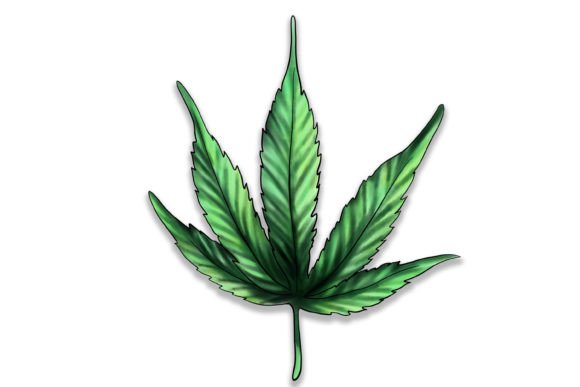
When I first opened the Watercolor Cannabis Leaf design file, I was struck by how well it balances a loose, painterly aesthetic with the structured precision embroidery requires. The watercolor effect gives it a soft, almost dreamy quality, while the cannabis leaf shape keeps it grounded and recognizable. It’s the kind of design that could work equally well on a boutique sweatshirt or a personalized tote bag without feeling forced or overly trendy.
From a design standpoint, the layout is clean and centered, with subtle brushstroke textures that add depth without overwhelming the eye. It’s detailed enough to stand out but not so intricate that it becomes a stitching nightmare. I immediately thought of how this would translate to a baby onesie or a linen kitchen towel—simple, tasteful, and modern.
Real-World Use: From Sweatshirts to Patches
I tested the Watercolor Cannabis Leaf on a medium-weight cotton tote bag first, since that’s a common product for Etsy sellers and crafters. The design stitched out smoothly, with no thread breaks or skipped stitches. The satin and fill stitches worked together beautifully, especially in the leaf veins and shadowed areas. The watercolor texture was maintained without any messy bleed, which is impressive for a digital embroidery file.
Next, I tried it on a hoodie. The thicker fabric handled the stitch density well, and the design didn’t pucker or distort, even around the seams. It looked clean and professional—perfect for a small-batch apparel brand wanting to add a touch of personality without shouting it from the rooftops.
When I resized it for a patch, the smaller version held up surprisingly well. The key here is thread contrast—using a dark thread on a light stabilizer base helped keep the leaf’s shape intact. If you’re planning to sell embroidered patches, this design is a solid choice, especially if your brand leans toward organic, nature-inspired aesthetics.
Where to Be Careful: Fabric, Size, and Placement Matter
One thing I noticed is that Watercolor Cannabis Leaf doesn’t do well on highly textured or stretchy fabrics. I tried it on a ribbed knit, and the soft edges of the design got lost in the fabric’s natural give. It also didn’t read clearly on a dark navy sweatshirt without a white underlay—something to keep in mind if you're aiming for a minimalist look on darker garments.
For smaller hoop sizes, I’d recommend simplifying or resizing down carefully. The fine details in the leaf’s tips and shadow areas can get muddy if you force it into a tight space. Also, curved surfaces like caps or baby booties need extra stabilizer to prevent distortion. I used a medium-weight tear-away and added a light spray adhesive for better hold.
Visual Impact: Elevating Your Finished Product
What I like most about this design is how it elevates the perceived value of a product. On a plain tote or a simple apron, the Watercolor Cannabis Leaf adds just enough visual interest to justify a higher price point. It reads as handmade but curated—ideal for Etsy sellers or boutique brands trying to stand out in a sea of generic embroidery.
From a customer’s perspective, it feels intentional and thoughtful, not just slapped on for effect. That’s huge for gift items, especially personalized ones. Imagine this stitched onto a baby blanket with a name underneath—sweet, stylish, and memorable.
For branding, the design works well as a recurring motif. If you’re building a line of herbal-themed products or wellness-inspired apparel, Watercolor Cannabis Leaf can serve as a signature touch across your digital embroidery files and physical goods.
Designer Notes: Test, Adjust, and Confirm Before Production
Before you commit to using Watercolor Cannabis Leaf in a client project or product line, here’s what I recommend:
- Test on scrap fabric—especially if you're working with a new material or color.
- Check thread color contrast to ensure the watercolor effect isn’t washed out.
- Review stitch density to avoid stiffness or puckering on delicate fabrics.
- Confirm hoop size before resizing to maintain detail clarity.
- Inspect small details under magnification to ensure they stitch cleanly.
- Try a black and white mockup to see how the design holds up without color cues.
- Compare light and dark backgrounds to see which fabric colors enhance the design best.
- Use proper stabilizer based on fabric type—cut-away for stretchy materials, tear-away for stable cottons.
- Check licensing if you plan to sell finished items or include the design in digital product bundles.
Final Thoughts: A Versatile Design for the Modern Maker
Watercolor Cannabis Leaf is more than just a trendy graphic—it’s a functional, adaptable embroidery design that works well across a range of products. Whether you’re creating custom apparel, boutique gifts, or small business merchandise, this design adds a touch of softness and sophistication without complicating the stitching process.
As a designer, I appreciate how it bridges the gap between art and practicality. It's not too literal, not too abstract—it just works. If you're an Etsy seller or craft business owner looking to elevate your embroidered offerings, this is one to seriously consider testing before your next product launch.