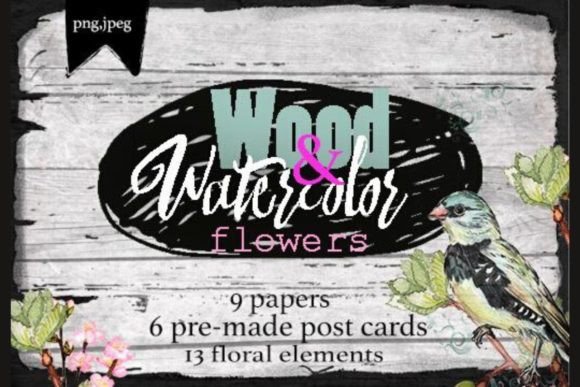
Wood and Watercolor Flowers: A Designer’s Honest Review for Real Embroidery Projects
Walking into my studio this morning, I opened the latest embroidery file I picked up—*Wood and Watercolor Flowers*. At first glance, it has that soft, organic feel that’s been trending in handmade and boutique-style products. But as someone who tests designs before putting them into client work or my own Etsy listings, I wanted to see how it holds up beyond the preview.
First Impressions: A Natural, Artistic Vibe
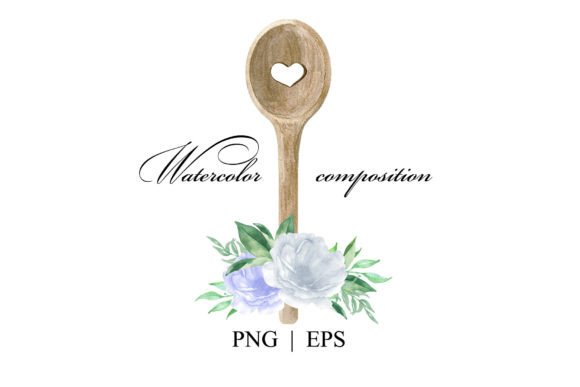
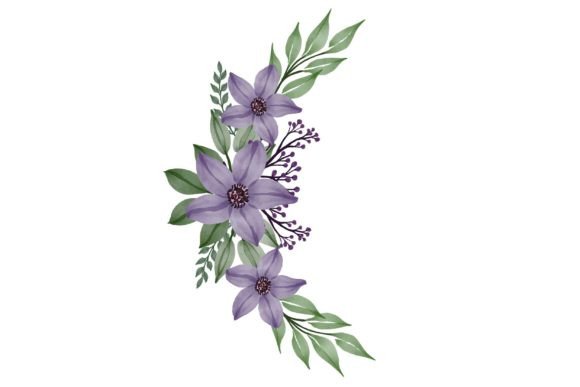
The *Wood and Watercolor Flowers* design gives off a gentle, hand-painted aesthetic. It’s not overly structured, which makes it perfect for embroidered items that lean into a rustic or botanical theme. The layout flows well, with layered petals and subtle shading that mimics watercolor brushstrokes. It feels like a design that could work in a nursery, a boutique tote, or even a custom sweatshirt for a nature-inspired brand.
What stands out immediately is how the floral elements are spaced—there’s enough negative space to avoid overcrowding, which is crucial when translating digital files into actual stitch work. The detail level is moderate, not too busy for a beginner but still expressive enough for a seasoned embroiderer to appreciate.
Real-World Use: From Tote Bags to Baby Clothes
I tested *Wood and Watercolor Flowers* on a few different project types to get a sense of its versatility. On a natural cotton tote bag, it looked soft and elegant, especially with a single thread color for the outline and a few tonal variations in the petals. The design scaled well without losing clarity, which is important when you're resizing for different hoop sizes.
For a baby onesie, I went with a lighter thread palette to keep the embroidery delicate. It stitched cleanly, and the satin and fill stitches blended smoothly. The design didn’t pull or pucker the fabric, which is a win for stretchier materials.
I also tried it on a linen pillow cover, and the texture of the fabric actually enhanced the watercolor illusion. It gave that handmade, artisanal look that Etsy buyers love.
Where to Be Cautious: Fabric and Placement Matter
While *Wood and Watercolor Flowers* performs well in many scenarios, it’s not a one-size-fits-all embroidery file. On very dark fabrics, the light thread colors got swallowed a bit, especially in the finer details. If you're using it on black or navy garments, consider adjusting the thread contrast or adding a subtle outline to make it pop.
I wouldn’t recommend this design for very small hoop sizes—anything under 3x3 inches might lose the subtle shading and texture that makes it special. Also, on curved surfaces like baseball caps, the floral layout might distort slightly unless you have a stabilizer that conforms well to contours.
If you're working with textured or loosely woven fabrics like burlap or sheer linen, test the design on a swatch first. The fill stitches can sink into the fabric weave and affect the intended softness of the watercolor effect.
Visual Impact and Customer Appeal
From a visual standpoint, *Wood and Watercolor Flowers* brings a quiet sophistication to embroidered products. It’s not flashy, but it has that understated charm that appeals to customers looking for something unique yet wearable.
In my experience, designs with this kind of organic flow tend to perform well in craft markets and online shops. They feel personal and intentional, which is huge for gift items like embroidered tea towels, baby blankets, or personalized aprons.
This design also works well for small business owners who want to maintain a cohesive brand aesthetic across different product types—whether it's on a boutique sweatshirt or a printable mockup for digital listings. It’s versatile enough to adapt to different color schemes and still feel recognizable.
Before stitching *Wood and Watercolor Flowers* into your next project, here are a few things I’d suggest checking:
- Test on scrap fabric: first, especially if you're using it on a new material or garment type.
- Check thread color contrast: —this design relies on subtle variations, so choose your palette carefully.
- Review stitch density: , particularly in the petal areas. You don’t want it too dense or it will stiffen the fabric.
- Confirm hoop size compatibility: with your machine. If you're working with a small hoop, you may need to simplify or resize.
- Inspect small details: like the inner lines of the flowers. These can get lost if the fabric isn’t smooth or if the thread is too thick.
- Try black and white mockups: to see how the design reads without color distractions.
- Compare light and dark backgrounds: to see which fabric tones enhance the floral layout best.
- Use proper stabilizer: —especially for stretchy or textured materials.
- Check licensing: if you plan to sell finished items or include this in digital product bundles.
Final Thoughts: A Solid Addition for Versatile Embroidery Work
*Wood and Watercolor Flowers* is a well-balanced embroidery file that blends artistic expression with practical stitchability. It’s not just a pretty preview—it translates well into real-life projects, from custom apparel to handmade gifts.
If you're an embroidery designer or Etsy seller looking for a design that feels fresh but still approachable, this one deserves a spot in your collection. Just keep in mind the fabric and size considerations, and you’ll get a polished, professional result every time.